


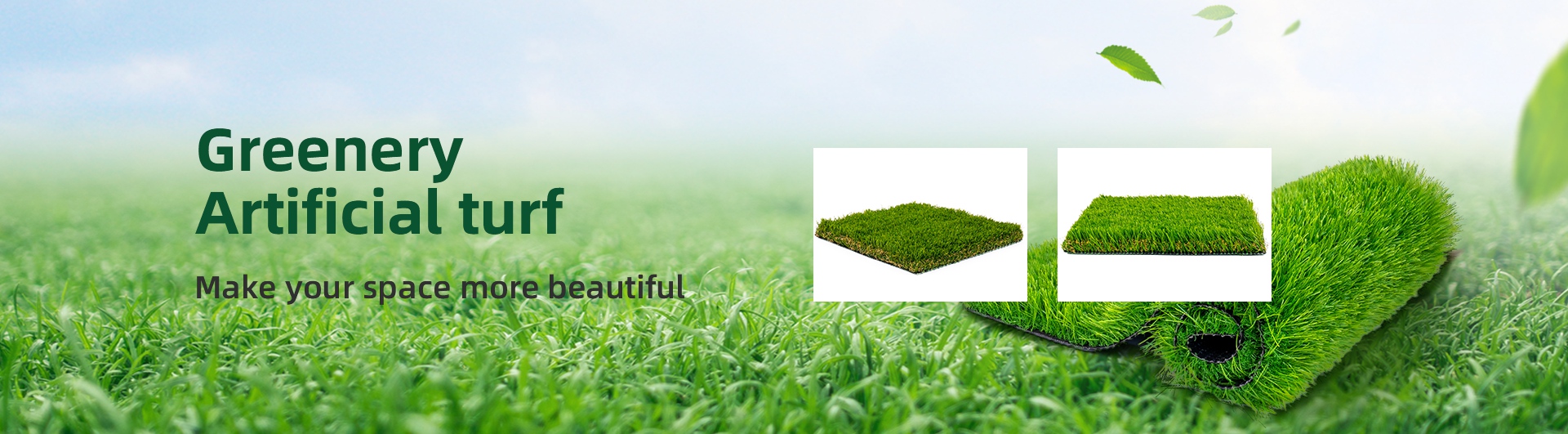
Pet areas require a different approach when selecting artificial surfaces. Unlike decorative landscaping, these environments face constant activity, moisture exposure, and hygiene challenges. Choosing the right pet grass ensures durability, easy cleaning, and long-term usability without compromising comfort for animals.
Pet environments place higher stress on turf compared to standard landscapes. Running, digging, and repeated use can quickly degrade low-quality surfaces. This is why artificial grass for pets must be designed with stronger fibers and reinforced backing systems.
A high-quality turf should offer excellent drainage capacity. Studies from landscaping associations show that well-designed artificial turf systems can drain over 800 liters of water per hour per square meter, which is critical for maintaining hygiene in pet zones. Efficient drainage prevents odor buildup and keeps the surface dry even after cleaning.
Durability is the foundation of any pet-focused installation. Pets, especially dogs, create concentrated pressure in specific areas, which can lead to fiber flattening or damage. Selecting durable grass for pets with high-density yarn and strong resilience helps maintain the structure over time.
Short to medium pile heights are generally more suitable for pet applications. They reduce the risk of fibers bending excessively and make cleaning easier. Strong stitching and backing layers also prevent tearing, especially in areas where pets tend to scratch or dig.
Cleanliness is one of the most important factors in pet areas. A properly designed pet-friendly turf system allows liquids to pass through quickly while minimizing residue retention. This helps reduce bacteria growth and odor accumulation.
Routine maintenance typically includes rinsing the surface and removing solid waste. Compared to natural grass, artificial systems significantly reduce mud formation and eliminate the need for chemical treatments. According to facility management reports, maintenance costs for synthetic pet areas can be reduced by more than 60 percent compared to natural grass environments.
Comfort plays a critical role in pet acceptance of artificial surfaces. The turf should feel soft underfoot while still maintaining structural strength. High-quality materials are non-toxic and designed to be safe for daily contact.
Temperature performance is another consideration. Advanced turf systems include heat-resistant technology that reduces surface temperature under sunlight. This ensures that the grass remains usable even in warmer climates, improving overall comfort for pets.
Selecting the best artificial turf for dog areas involves balancing durability, drainage, and comfort. For high-use environments such as kennels or dog parks, turf systems with enhanced drainage backing and antimicrobial properties are recommended.
For smaller residential or controlled environments, a softer surface with moderate density may be sufficient. The key is to match the turf specifications with the expected usage level and maintenance capacity.
Working with a reliable manufacturer ensures consistent product quality and technical support. A professional supplier should provide detailed specifications, including drainage rate, fiber density, and wear resistance data. Consistency across batches is essential, especially for larger installations where uniform appearance matters.
Manufacturers with integrated production capabilities can better control raw materials and processing quality. This leads to more stable performance and longer service life in demanding pet environments.
Selecting the right pet grass requires a clear understanding of usage intensity, hygiene needs, and durability expectations. By focusing on drainage performance, fiber strength, and safety features, artificial grass can provide a clean and resilient solution for pet areas. With the right product and proper installation, pet environments can remain functional, hygienic, and visually consistent over the long term.

 Mobile Phone:
 Wechart:
 Contact Now