



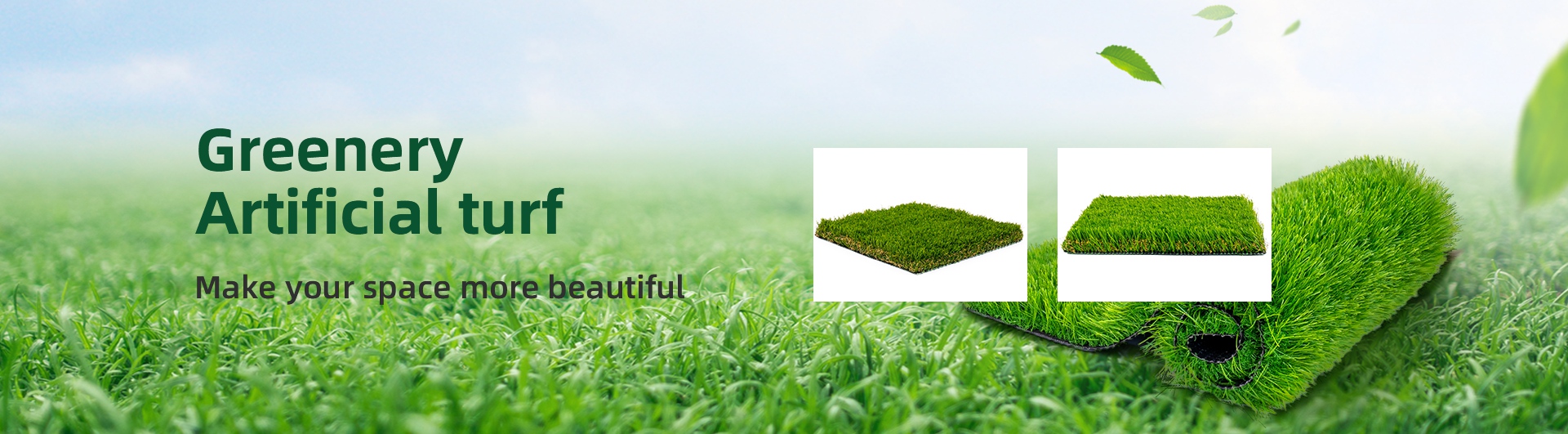
The demand for artificial grass and landscaping turf continues to grow globally as cities and commercial developers seek low‑maintenance, visually consistent outdoor surfaces. The global synthetic grass market was estimated at over USD 7.3 billion in 2025 and is projected to nearly double by 2035, growing at more than 8 % annually as landscaping and sports applications expand. This sustained growth reflects the increasing reliance on artificial surfaces for commercial projects, urban plazas, gardens, and large‑scale developments. :contentReference[oaicite:0]{index=0}
Choosing the right product for landscaping involves understanding site conditions, functional requirements, performance expectations, and long‑term maintenance considerations. Compared to natural turf, artificial solutions offer predictable aesthetics and reduced recurring costs over the lifetime of the installation. :contentReference[oaicite:1]{index=1}
Landscaping projects vary widely in scope and environment. Some spaces prioritize appearance, others durability, and still others water conservation. Urban plazas or commercial campuses might need wide‑area coverage that maintains visual uniformity year‑round with minimal upkeep. Meanwhile, garden designs can call for surfaces that blend with plants, walking paths, and seating areas without the variability of natural turf.
Key baseline requirements include resistance to heavy foot traffic, drainage performance, and UV stability. High‑quality installations provide drainage that sheds water quickly and prevents pooling, even in high‑rainfall climates. This is especially important in commercial settings where frequent use and weather exposure are expected.
The performance of synthetic grass begins with the materials selected. Modern synthetic grass utilizes durable polymers such as polyethylene, polypropylene, and nylon. These fibers are engineered for resilience and long‑term outdoor exposure. Materials with UV stabilization resist fading and degradation under sun exposure, which is critical for ensuring consistent color and performance.
Fiber density, pile height, and backing construction influence how the turf looks and handles wear. Shorter pile heights can be suitable for high‑traffic walkways, while taller fibers often deliver a more natural appearance for gardens and visual landscapes. The right material choices balance durability, appearance, and maintenance requirements based on the intended use.
One of the core advantages of artificial turf in landscaping is the dramatic reduction in water use. Traditional lawns can consume significant irrigation resources; artificial surfaces eliminate the need for regular watering, mowing, and fertilization. Studies suggest that synthetic turf systems can contribute to annual water savings that are particularly valuable in regions facing drought concerns. :contentReference[oaicite:2]{index=2}
Maintenance costs are also significantly lower over the life cycle of the surface. Without the need for mowing or chemical treatments, property managers can reallocate budgets that would otherwise support natural lawn care. While initial installation costs can be higher, long‑term savings on maintenance and water usage help offset that investment over time. :contentReference[oaicite:3]{index=3}
Selecting the best artificial grass for gardens means prioritizing aesthetics without sacrificing durability. Garden installations often integrate hardscape features, plant beds, and pedestrian traffic. Choose products with natural color variation and a soft texture that complements plantings and outdoor furnishings. Products designed with a layered thatch system can mimic the depth and feel of natural grass more convincingly, enhancing the overall visual appeal.
In gardens where children and pets frequent, additional considerations such as drainage efficiency and fiber resilience become crucial. Good drainage systems prevent water buildup, while high‑quality fibers resist matting and maintain upright form, preserving the surface over years of use.
For larger commercial or high‑usage environments, commercial landscaping grass must deliver performance and longevity. These installations often face heavy foot traffic, frequent cleaning operations, and varied weather conditions. Industrial‑grade products with high fiber density and reinforced backing systems perform better under stress and reduce wear.
Commercial landscapes may also incorporate custom design elements, such as logos or patterns, using multiple turf colors and textures. Partnering with a manufacturer that can provide tailored solutions ensures cohesive visual results that align with architectural and site design intent.
Durability is a major decision factor in landscaping projects. High‑quality artificial surfaces can remain vibrant and functional for 15–20 years or more with proper installation and periodic care. Synthetic materials are inherently resistant to many forms of wear that affect natural grass, such as drought, pests, and soil compaction.
Periodic maintenance for artificial grass tends to focus on surface cleaning and infill replenishment where applicable. Compared to natural turf, which requires ongoing mowing, fertilization, and irrigation, synthetic grass substantially reduces the hours and resources needed to maintain an attractive landscape.
Working with a trusted manufacturer ensures product consistency, technical support, and performance warranties. Leading suppliers use advanced manufacturing processes to control fiber uniformity, color stability, and structural strength. Clear product documentation, testing data, and installation guidance help ensure that landscaping objectives are met.
A comprehensive approach that includes material selection, drainage planning, and installation best practices sets the foundation for successful landscaping outcomes. Whether the project is a corporate campus, retail environment, or urban garden, investing in a well‑designed artificial grass surface contributes to long‑term value and visual appeal.
Selecting the right artificial grass for landscaping is both a technical and aesthetic decision. Considering material quality, site conditions, maintenance expectations, and long‑term performance helps ensure a successful outcome tailored to the specific needs of the space. With robust planning and high‑quality materials, synthetic grass delivers a sustainable, visually appealing surface that supports low maintenance and long service life across multiple applications.

 Mobile Phone:
 Wechart:
 Contact Now