



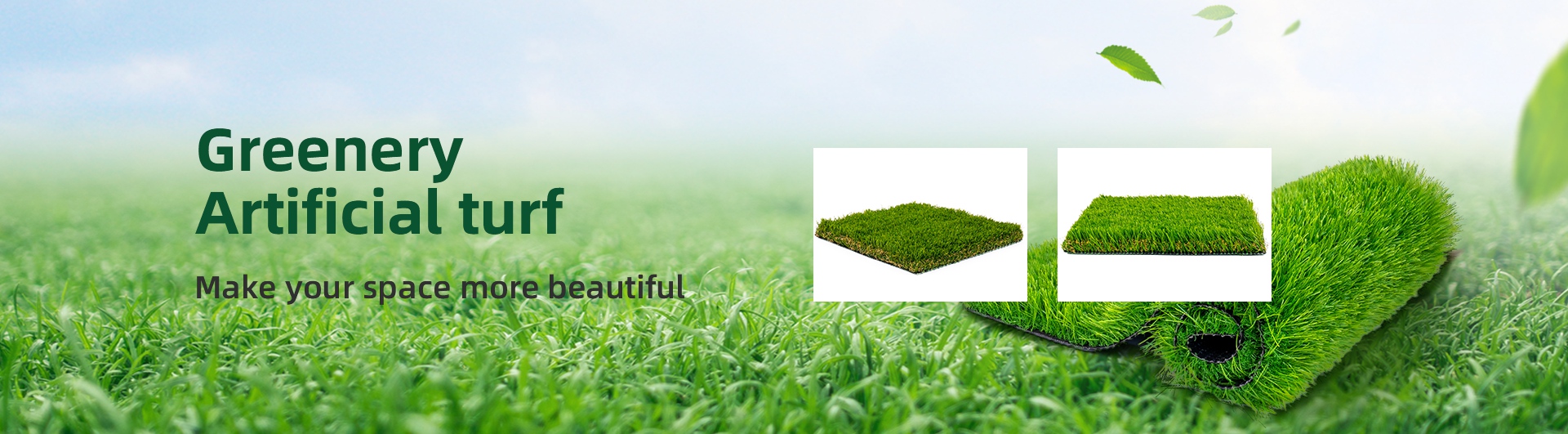
When considering synthetic lawn turf for landscaping, we often ask: can water pass through it effectively? This article examines water permeability in synthetic turf, outlines how proper drainage is achieved, highlights key installation considerations, and offers a trusted manufacturer recommendation.
Yes, water does pass through synthetic lawn turf. Modern artificial turf systems are designed with permeable backings and engineered sub-base layers that allow water and other liquids to flow downward from the turf surface into the underlying substrate. In fact, water tends to drain faster in a properly installed system than in many natural soil lawns.
Here’s an overview of how water permeation works in synthetic turf:
| Component | Role in Water Flow |
|---|---|
| Synthetic fibres & infill | Guide surface water toward the backing and create surface porosity. |
| Turf backing (hole-punched or fully permeable) | Allows fluid to pass through the turf layer into the base. |
| Engineered base (crushed rock, gravel, compacted aggregate) | Provides a pathway for water to move downward and disperse into surrounding soil or drainage system. |
Proper installation ensures minimal pooling, quicker drying and a functional surface even after heavy rain.
synthetic turf, when installed correctly, often outperforms natural sod in terms of drainage. Here are the key performance elements:
Drainage rate: Some systems achieve very high water flow rates (hundreds to thousands of inches of water per hour) through the backing and sub-base.
Reduced pooling: Because of the engineered base and permeable backing, pooling is less likely than on compacted soil or poorly drained natural turf.
Applicability across surfaces: Turf installed over soil, concrete or rooftop decks can still be designed to drain effectively, provided the base and edges are handled correctly.
As one expert note states: “Modern artificial turf can drain water faster and more efficiently than natural grass.”
To ensure water will pass through and away from synthetic lawn turf efficiently, the following are critical:
Selection of turf backing
Standard hole-punched backing: small drainage holes spaced every few inches.
Fully-permeable backing: mesh or grid-type backing that allows fluid to drain across the entire surface rather than just at holes.
Base preparation
Excavate existing vegetation or soil. Grade and compact the surface.
Install suitable aggregate or crushed rock base material (commonly 2-4 inches or more) to create a stable, permeable foundation.
Ensure the surface slopes slightly (typically 1-2 %) to move water toward drainage zones or away from structures.
Edge detailing and surface transitions
On hard surfaces (concrete, decks) leave edge gaps or install drainage tiles to channel water off the turf.
Seam integrity is crucial: poorly sealed seams can impede drainage and create weak spots.
Infill and fibre density
The type and amount of infill (sand, rubber, organic) can affect how quickly water flows down through the turf fibres to the backing.
Dense fibres help mimic natural turf but must not impede fluid percolation.
Maintenance
Although drainage systems are engineered, periodic checks (e.g., after heavy rain) to ensure no pooling or compaction helps maintain performance.
Cleaning if pet use or heavy traffic is present ensures the drainage paths remain unobstructed.
Because of its water-permeable design, synthetic lawn turf provides multiple benefits in various applications:
Residential lawns: Offers green aesthetic year-round, quick drainage after rainfall, and less muddy surfaces.
Pet areas: Quick drainage helps neutralize urine and wash-down water, reducing odours and surface pooling.
Commercial landscaping: Reliable drainage on rooftops, plazas, and high-traffic zones ensures usability and reduced downtime.
Sports fields & play areas: Keeps surfaces playable soon after rain, improving user experience and reducing cancellations.
Q: If turf is installed over concrete, will water drain through? A: Yes, but it requires proper drainage design. Leaving gaps at edges or incorporating channel drains is key. Simply laying turf over impermeable surface without base may lead to pooling.
Q: Does water flow through synthetic turf the same as it does through natural grass? A: Although the mechanism differs, the outcome can be better. Synthetic turf uses engineered backing and base layers, achieving more predictable drainage than many natural lawn soils.
Q: Will synthetic turf trap water and create a swampy surface? A: Not when correctly installed. The turf backing and base are designed to allow water to pass quickly. Poor installation is the main cause of drainage problems rather than the turf material itself.
If you are seeking a reliable supplier of synthetic grass that incorporates drainage-friendly designs, consider CMGRASS. This manufacturer offers landscaping grass turf, sports turf and pet-friendly turf options, and emphasises quality, durability and customization.
Whether you are installing residential turf, commercial lawn solutions or sports surfaces, CMGRASS provides one-stop support from R&D through installation.
Synthetic lawn turf does allow water to pass through its surface when installed properly. Key elements include a permeable turf backing, an engineered base, correct grading and proper edge drainage. When these factors are correctly addressed, synthetic turf offers excellent drainage performance—often surpassing natural grass in terms of water flow, surface usability and maintenance ease. With the right product and installation practices, you gain a green, reliable surface that stays dry and functional.

 Mobile Phone:
 Wechart:
 Contact Now