



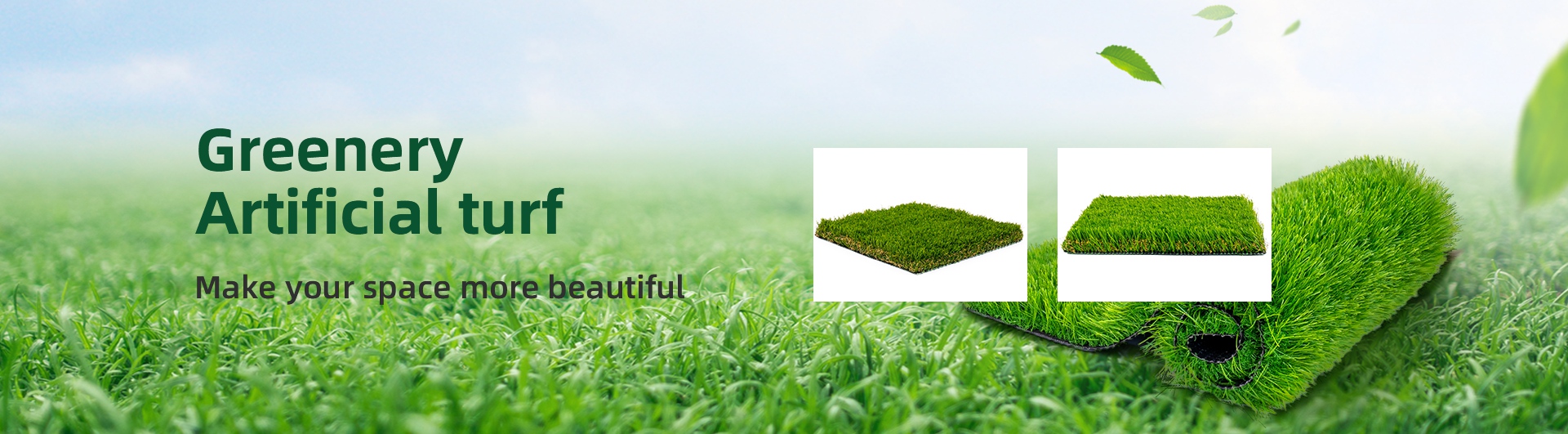
artificial grass has become a popular choice for homeowners, schools, and commercial spaces seeking a low-maintenance, evergreen landscape solution. Installing synthetic turf is a manageable project when done with proper preparation, tools, and techniques. Below is a detailed step-by-step guide explaining how to put artificial grass efficiently and achieve a natural-looking finish.
A clean and level base is crucial for the longevity of your artificial turf. Start by removing any existing natural grass, weeds, or debris. Dig to a depth of about 7–10 cm to make space for the sub-base material. Once the area is cleared, ensure proper drainage by slightly sloping the surface away from any structures. This prevents water pooling beneath the turf.
Next, compact the soil using a roller or plate compactor to create a firm foundation. A solid base reduces shifting and uneven surfaces over time. If the area is prone to weeds, it’s recommended to apply a weed membrane across the ground before proceeding.
The sub-base is the key layer that ensures proper stability and drainage. Use a crushed stone or decomposed granite mixture to fill the excavated area. Spread it evenly to a depth of around 5–7 cm. Compact the material thoroughly using a vibrating plate compactor. The surface should feel solid yet permeable to allow water to pass through easily.
You may add a thin layer of fine sand (about 1–2 cm thick) on top of the compacted base to smooth out small irregularities. This step will make it easier to achieve an even surface for laying your artificial turf.
To prevent unwanted vegetation growth, roll out a durable weed barrier fabric across the entire surface. Overlap each section by at least 10 cm to ensure no gaps remain. Then, secure the edges using landscape staples or pins.
For added comfort and shock absorption—especially in playgrounds or sports areas—you can include a foam underlay beneath the artificial grass. This layer helps improve drainage while providing a cushioned surface.
Unroll your artificial grass and leave it to rest under sunlight for about two to three hours. This allows the fibers to expand and the material to relax, minimizing wrinkles. Position the rolls carefully, ensuring the pile direction remains consistent across all pieces. Align edges precisely to avoid visible seams once joined.
Trim any excess material using a utility knife. Make clean, straight cuts for a professional finish. When handling large rolls, avoid stretching the turf as it may distort the pile alignment.
To connect two pieces of turf, place the edges side by side without overlapping. Fold both edges back about 20 cm, position seam tape underneath, and apply outdoor adhesive along the tape. Gently press the edges down onto the tape and ensure they bond firmly. A roller can be used to press along the seam for consistent adhesion.
Once the sections are connected, secure the turf perimeter using galvanized landscape nails or U-shaped pins placed every 15–20 cm. Avoid hammering too deep; the nail heads should sit just beneath the grass fibers but remain invisible.
Infill material keeps the blades upright and enhances durability. Common types include silica sand or rubber granules. Using a drop spreader, distribute the infill evenly across the surface—approximately 5–6 kg per square meter, depending on turf density. Brush the grass fibers upright using a stiff broom or power brush to ensure even distribution and a natural appearance.
Infill not only helps with weight distribution but also improves drainage and reduces heat retention, making your artificial lawn safer and more comfortable.
Once the infill is applied, thoroughly brush the turf in multiple directions. This helps the fibers stand tall and gives the surface a realistic look. Check for uneven areas or loose edges, and secure any lifted sections. Lightly water the turf to help settle the infill and remove dust.
Routine brushing and cleaning will keep your artificial grass looking vibrant and fresh for years. Occasional rinsing with water removes dirt and pollen buildup, maintaining an inviting appearance throughout all seasons.
Although synthetic turf requires minimal upkeep, consistent light maintenance ensures long-term performance. Avoid placing heavy objects for prolonged periods as they can flatten the grass fibers. For outdoor installations, remove leaves or debris regularly using a blower or soft rake. If you have pets, rinse the affected area with mild detergent and water to maintain hygiene.
For those seeking premium-quality artificial grass, CMGRASS offers durable and eco-friendly solutions suitable for residential lawns, playgrounds, sports fields, and commercial landscapes. Their turf products are designed with UV resistance, realistic textures, and optimal drainage systems that make installation and maintenance effortless. Choosing CMGRASS ensures long-lasting performance and a professional-grade aesthetic for any environment.
Installing artificial grass is a straightforward process that delivers lasting beauty and functionality when executed properly. With attention to detail in each step—from surface preparation to infill brushing—you can create an attractive, low-maintenance outdoor area that remains green year-round. High-quality materials from trusted suppliers like CMGRASS will help you achieve a perfect installation that combines durability, comfort, and natural appeal.

 Mobile Phone:
 Wechart:
 Contact Now