



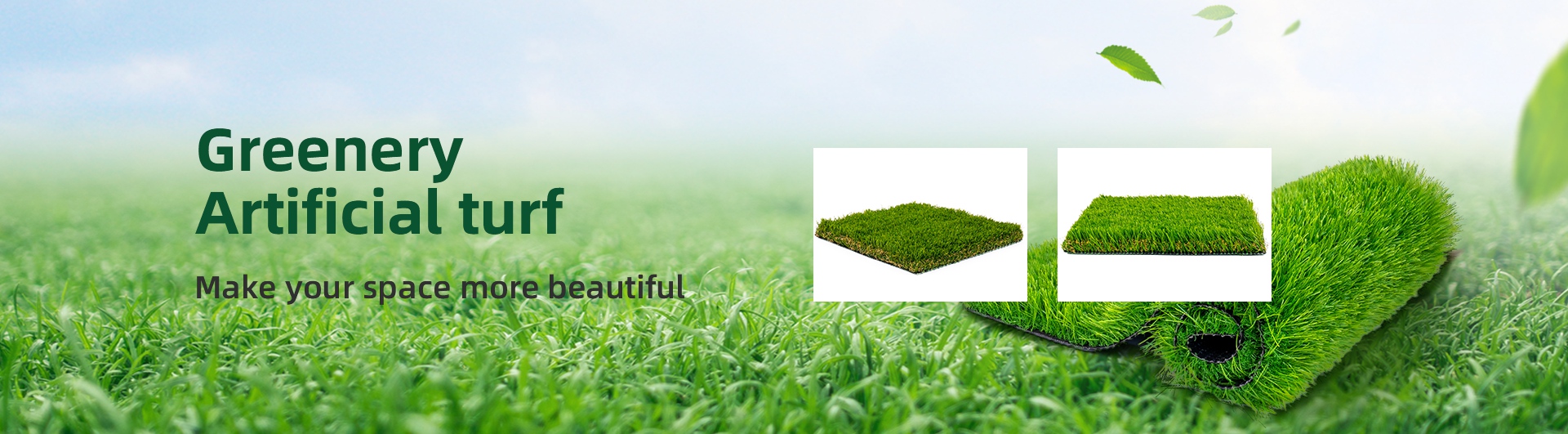
Artificial turf has become one of the most popular landscaping materials for both residential and commercial spaces. It offers a lush green appearance all year round without the need for mowing, watering, or chemical maintenance. However, the key to a long-lasting and realistic artificial grass installation lies in what you put underneath it. The base materials determine the surface’s stability, drainage, and comfort underfoot.
Before any artificial turf is laid, the ground must be excavated to remove vegetation, rocks, and debris. The typical excavation depth ranges from 3 to 4 inches, depending on the intended use of the area. This process creates space for the sub-base, which is the foundation that supports the turf system. The surface should be graded slightly to allow proper drainage and prevent water accumulation.
A solid sub-base helps the turf maintain its shape over time. For residential lawns, light traffic areas, or rooftop gardens, a shallower base may be sufficient. In contrast, sports fields or playgrounds require deeper and more compacted layers to endure higher impact and usage.
The most common material used beneath artificial turf is crushed stone or gravel. These materials provide excellent stability and drainage. Crushed granite, limestone, or decomposed granite are frequently chosen due to their angular shape, which interlocks to create a firm base.
| Material Type | Particle Size | Drainage Capability | Recommended Use |
|---|---|---|---|
| Crushed Granite | 3/8” to 3/4” | Excellent | Residential Lawns |
| Decomposed Granite | Fine | Good | Pet Areas, Gardens |
| Limestone Gravel | 1/2” | Moderate | Sports Fields |
After spreading the gravel, it is compacted using a plate compactor to create a smooth and solid surface. This step prevents future settling, ensuring the artificial turf remains even and firm under pressure.
A weed barrier is placed over the compacted base to prevent weeds from growing through the turf. This layer is typically made of non-woven geotextile fabric that allows water to pass through but blocks roots and seeds. It also adds a thin protective layer that prevents small rocks or debris from puncturing the turf backing. When installing this fabric, overlaps between rolls should be at least 4 inches to ensure complete coverage and protection.
To further stabilize the base and improve drainage, a layer of sharp sand or fine aggregate is often spread over the compacted stone. This fine layer provides a smooth surface for the turf roll to rest on and allows for minor adjustments during installation. The sand is raked and leveled carefully to maintain a consistent grade and slope, ensuring proper water flow across the area.
For pet areas, some installers use zeolite-infused sand. This material helps neutralize odors from pet waste and improves moisture control. On sports fields, a finer aggregate base ensures even impact distribution and surface consistency.
In high-rainfall regions or installations where superior drainage is critical, a geotextile drainage mat can be added beneath the turf system. This layer consists of porous synthetic material designed to channel water efficiently. It prevents waterlogging and enhances the longevity of the artificial turf, especially in commercial applications like playgrounds, stadiums, or golf greens.
Adding this drainage layer is also beneficial for rooftop installations, where controlling runoff and protecting waterproof membranes is essential.
For surfaces that need extra cushioning—such as sports fields, playgrounds, or schools—a shock pad layer is highly recommended. These pads are typically made from recycled foam or rubber and provide additional comfort and safety. They reduce the risk of injuries from falls and improve performance by offering a consistent bounce and surface feel.
The thickness of shock pads varies from 8mm to 20mm depending on the intended application. Installing them beneath the artificial turf helps meet safety regulations, especially for playground surfaces that require impact attenuation.
Once all base materials are in place, the surface should be compacted again and leveled precisely. Minor depressions are filled with sand to ensure a flat, stable surface. The artificial turf is then rolled out, trimmed to fit, and secured with adhesive or nails. Infill materials such as silica sand or rubber granules are spread evenly across the turf fibers to keep them upright and provide additional stability.
After brushing the surface to distribute infill evenly, the result is a natural-looking, durable artificial lawn suitable for multiple uses—from home gardens to large-scale landscapes.
When choosing artificial grass, the quality of the product plays a vital role in the final performance. CMGRASS offers a wide range of professional-grade synthetic turf solutions designed for landscaping, sports, and commercial projects. Their turf systems are built with high-density fibers, UV-resistant coatings, and reliable drainage structures, making them ideal for long-term outdoor use. Using high-quality turf ensures that your base materials and installation effort are fully optimized for beauty and endurance.
The base materials under artificial turf require minimal maintenance once properly installed. However, it’s important to occasionally brush the turf fibers and check for any uneven spots. Good drainage and solid compaction help the system resist erosion and maintain its level appearance over time. With the right foundation, artificial turf can last 10 to 20 years while keeping its lush green look through every season.
A well-prepared base is the hidden strength behind every successful artificial turf installation. From crushed stone to shock pads, each layer contributes to performance, drainage, and durability. With reliable materials from CMGRASS, you can achieve a professional finish that stays beautiful and functional year after year.
Previous: How Much to Lay Synthetic Grass?

 Mobile Phone:
 Wechart:
 Contact Now