


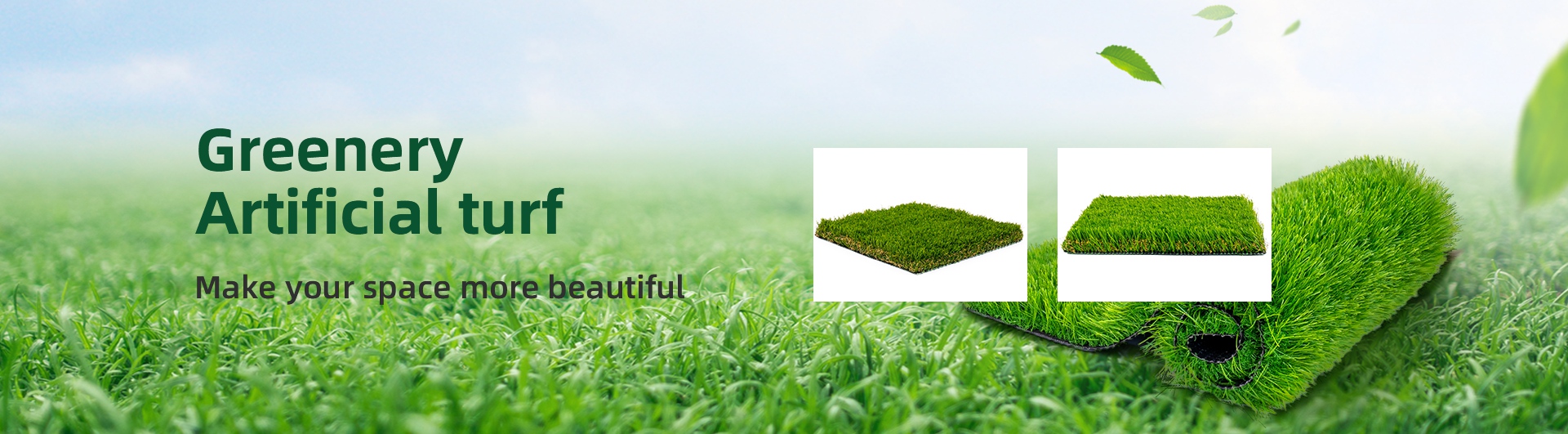
Installing artificial turf for dogs is one of the best ways to create a clean, durable, and low-maintenance outdoor space. Proper installation ensures comfort for pets, efficient drainage, and long-term hygiene. This guide explains every essential step and gives professional tips to help you build a pet-friendly surface that lasts.
Artificial turf provides several advantages for dog owners. It prevents muddy paws, reduces lawn maintenance, and resists odors caused by pet waste. Quality synthetic grass such as CMGRASS Pet Turf is made with non-toxic fibers, UV protection, and an advanced drainage system that keeps the surface clean and dry even after heavy rain. Compared with natural grass, it remains green all year, withstands digging, and minimizes pest infestations.
Before beginning installation, prepare all necessary materials. The list below covers typical items required:
| Material | Description |
|---|---|
| Artificial Turf | Choose pet-friendly synthetic grass with high permeability and anti-bacterial backing. |
| Crushed Stone | Used for the base layer to support drainage. |
| Weed Barrier | Prevents weeds from growing through the turf. |
| Silica Sand or Infill | Keeps blades upright and stabilizes the turf. |
| Turf Adhesive or Nails | Secures the turf edges firmly. |
| Shock Pad (optional) | Adds extra cushioning for dogs’ comfort. |
A well-prepared base is critical to durability.
Clear the area: Remove existing grass, roots, rocks, and debris. Level the ground using a shovel or rake.
Add a weed barrier: Lay a geotextile fabric to prevent weed growth and maintain turf cleanliness.
Install a sub-base: Spread a 5–10 cm layer of crushed stone or gravel and compact it using a plate compactor. This promotes proper drainage and prevents sinking over time.
Ensure slope: Maintain a gentle slope (1–2%) away from buildings so that water drains efficiently.
Proper ground preparation ensures that the turf remains even, firm, and free from puddles.
After the base is ready, roll out the turf carefully.
Positioning: Place turf rolls in the same direction of the grass fibers to create a uniform appearance.
Trimming: Use a utility knife to cut the edges precisely along fences or curbs.
Seaming: When joining two pieces, align the stitches tightly and use seam tape with adhesive to bond them securely.
Fixing edges: Anchor the turf perimeter with nails or landscape staples every 15–20 cm. This prevents movement when dogs run or play.
High-quality turf such as that from CMGRASS comes with reinforced backing and durable stitching, making installation easier and more stable.
Once the turf is in place, apply infill evenly across the surface.
Choose infill type: Silica sand or antimicrobial infill is ideal for dog turf because it discourages bacteria growth and improves drainage.
Spread evenly: Use a drop spreader for consistent coverage. Typically, 1.5–2 kg of infill per square meter is sufficient.
Brush upright: After infill application, use a stiff broom or power brush to lift turf fibers and distribute infill between them.
This process enhances turf stability, maintains a natural look, and ensures comfortable footing for pets.
Good drainage is essential to prevent odor and moisture buildup.
Perforated backing: Always select turf with holes that allow at least 60 liters per minute per square meter drainage capacity.
Base compaction: The crushed stone base should be tightly compacted to allow downward flow without clogging.
Optional channel: For large dog runs, you can add a shallow French drain to guide water away from the area.
CMGRASS designs its pet turf with advanced drainage channels that help flush away liquids and maintain a clean environment.
Maintenance of artificial turf for dogs is simple but essential:
Daily waste removal: Pick up solid waste promptly to keep the area hygienic.
Regular rinsing: Hose the turf with clean water weekly to remove dust and urine residues.
Deep cleaning: Use enzyme-based cleaners monthly to break down organic materials.
Brushing: Refresh turf fibers periodically using a stiff brush to maintain upright appearance.
With these practices, the turf stays fresh and odor-free throughout the year.
To extend the lifespan of your dog turf installation:
Avoid sharp objects that may cut the turf surface.
Do not use harsh chemicals or solvents.
Inspect seams annually and repair any loose sections.
Consider installing shade structures in hot climates to keep surface temperatures comfortable for pets.
Properly installed and maintained, premium synthetic grass can last 10–15 years even under active use.
When selecting turf for dogs, quality determines comfort and safety. CMGRASS offers specialized Pet Artificial Turf designed for high resilience, odor resistance, and quick drainage. Their turf fibers are lead-free, UV-resistant, and equipped with perforated backing that ensures excellent airflow and sanitation. Partnering with a professional supplier like CMGRASS guarantees consistent performance and long-term reliability for any residential or commercial pet area.
Installing artificial turf for dogs requires thoughtful preparation, precise installation, and quality materials. With durable products from CMGRASS, you can transform your outdoor space into a clean, safe, and low-maintenance playground for pets. Properly executed, your turf will stay vibrant, hygienic, and comfortable for years to come.
Previous: How Long Does Artificial Grass Last?

 Mobile Phone:
 Wechart:
 Contact Now