



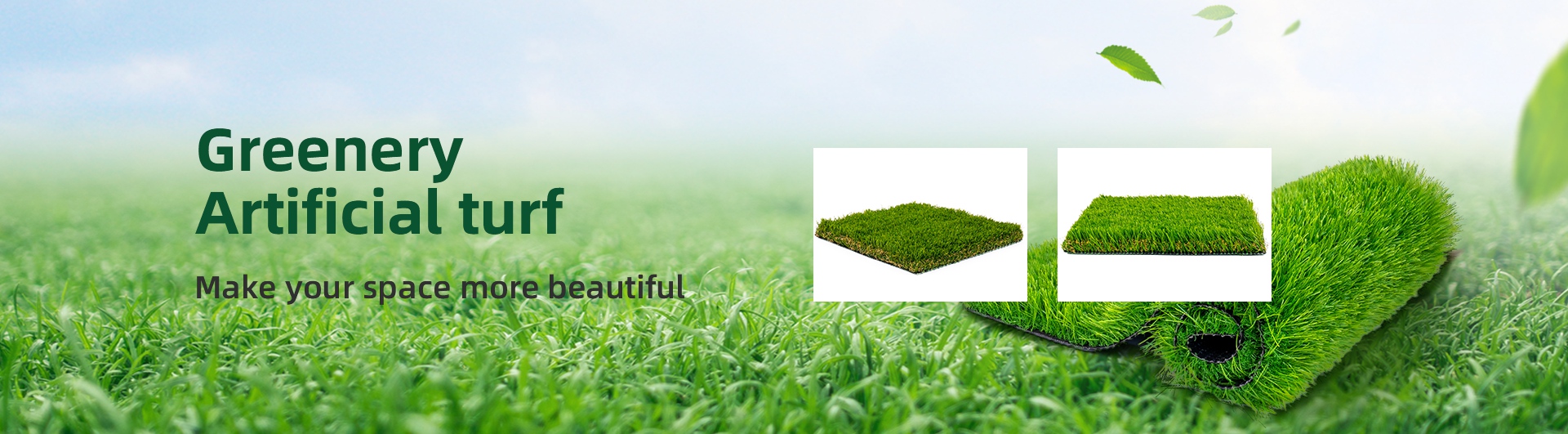
artificial grass is a popular landscaping choice for both residential and commercial spaces due to its low maintenance and evergreen appearance. However, to keep it looking fresh and hygienic, regular cleaning is essential. Unlike natural turf, synthetic grass does not require watering or mowing, but dust, debris, and stains can still accumulate over time. With proper care, you can ensure your artificial lawn maintains its vibrant color and texture for many years.
Routine maintenance helps preserve the appearance and durability of artificial turf. Start by removing loose debris such as leaves, twigs, or litter using a plastic rake, leaf blower, or stiff broom. Avoid using metal tools, as they can damage the turf fibers or base layer. For dust and small particles, rinse the surface lightly with a garden hose once a week. This simple wash helps prevent buildup and keeps the fibers upright.
For areas with frequent use—such as playgrounds, patios, or dog runs—consider brushing the grass more frequently. A soft-bristled broom or power brush can help redistribute infill evenly and restore the natural upright position of the blades. Always brush in different directions to avoid matting and to maintain a natural look.
Even with regular upkeep, deeper cleaning is sometimes necessary. To remove dried mud or grime, prepare a mild cleaning solution of warm water and a few drops of liquid dish soap. Gently scrub the affected area using a soft brush, then rinse thoroughly with clean water. For stubborn stains such as food spills or drink residues, white vinegar diluted with water in a 1:1 ratio works effectively to neutralize odors and sanitize the surface.
Avoid using bleach, strong acids, or ammonia-based cleaners, as these can discolor or damage the turf backing. If chewing gum or sticky substances adhere to the fibers, use ice cubes to harden them and then gently scrape them off. For oil-based stains, mineral spirits can be used cautiously, followed by a thorough rinse.
For households with pets, specific cleaning routines are required to maintain hygiene and freshness. Solid waste should be picked up promptly and the area rinsed with water. To neutralize odor, mix equal parts vinegar and water in a spray bottle and apply to the affected area. Let it sit for several minutes before rinsing again. Enzyme-based turf cleaners are also highly effective for breaking down organic residues and eliminating bacteria that cause unpleasant smells.
If your turf is installed in a high-pet-traffic area, consider applying a turf deodorizer or infill that contains odor-control minerals. Regular watering in those zones helps prevent ammonia buildup from urine, ensuring the grass remains clean and safe for pets and children alike.
Artificial grass can withstand various weather conditions, but each season presents its own cleaning needs. During spring and summer, pollen and dust may settle on the surface; a gentle rinse every few days can prevent accumulation. In autumn, remove fallen leaves regularly to avoid moisture trapping that could encourage mold. During winter, snow and ice should be left to melt naturally—never use metal shovels or salt, as they can damage the surface and backing.
For long-term care, inspect the edges and seams every few months to ensure they remain secure. Replenish infill materials like silica sand or rubber granules if the surface appears flattened. Consistent maintenance prolongs the turf’s structural integrity and prevents uneven wear.
While most cleaning can be done at home, scheduling a professional cleaning once or twice a year can significantly enhance the longevity of your artificial grass. Professionals use power brushing, infill balancing, and antimicrobial treatments to restore the turf to near-new condition. This service is particularly beneficial for large commercial installations or sports fields where heavy foot traffic occurs.
Additionally, professional inspections can identify early signs of damage, such as separation, flattening, or drainage issues. Prompt repairs prevent more costly replacements in the future and maintain the overall performance of your artificial surface.
For long-lasting beauty and easy maintenance, choosing high-quality artificial grass is just as important as cleaning it properly. CMGRASS offers premium synthetic turf designed with UV-resistant fibers, advanced drainage systems, and pet-friendly materials. Their products are ideal for landscaping, playgrounds, sports fields, and commercial environments. With superior durability and minimal upkeep requirements, CMGRASS solutions make maintaining a perfect green lawn effortless all year round.
Cleaning artificial grass is straightforward and requires only a few tools and gentle cleaning agents. By incorporating regular maintenance, deep cleaning, and occasional professional care, your turf will remain hygienic, fresh, and visually appealing for years. High-quality materials, such as those from CMGRASS, ensure not only long-term performance but also an enjoyable, low-maintenance outdoor experience.
Previous: Which Synthetic Grass Is Best

 Mobile Phone:
 Wechart:
 Contact Now