



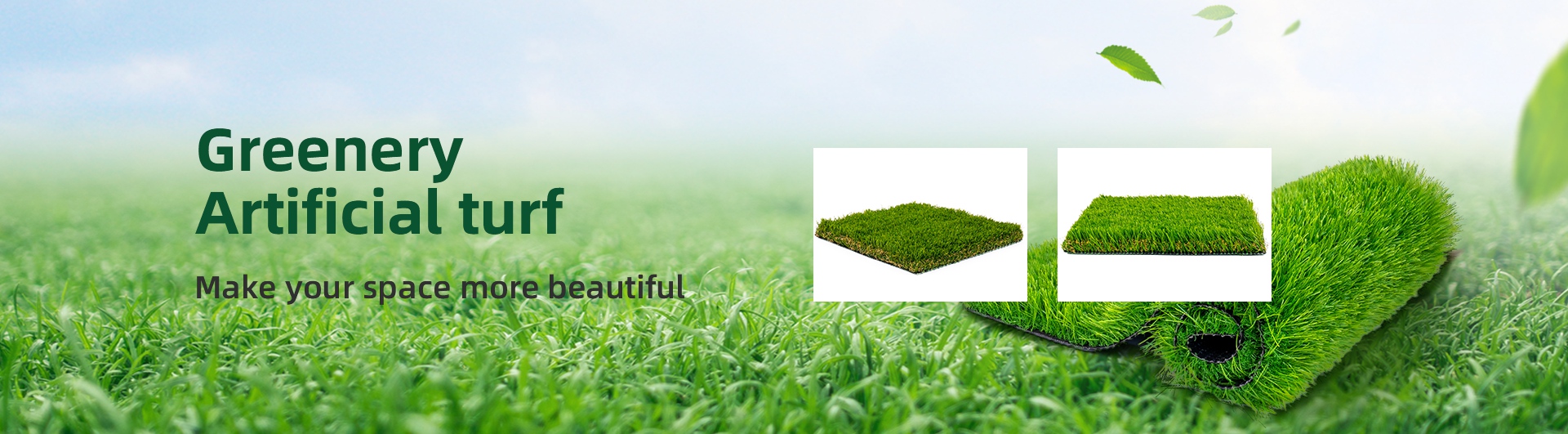
A turf football field refers to a playing surface made of artificial grass fibers, often combined with infill materials and drainage systems, that mimic the appearance and performance of natural grass. Traditional football fields use sod grass, while a turf field represents a synthetic alternative that offers consistent surface characteristics and lower maintenance demands. The term “turf” typically signals that the field is synthetic rather than natural.
Below is a breakdown of the main elements that compose a turf football field:
| Component | Description | Significance |
|---|---|---|
| synthetic grass fibers | Made of polymers such as polyethylene (PE) that replicate grass blades. | Provide the look and feel of grass while resisting wear. |
| Backing & base | A structural layer under the fibers which secures them and provides stability. | Ensures the turf can resist impact and maintain shape. |
| Infill (optional) | Granular materials like rubber pellets, sand, or organic fillers used between blades. | Helps with shock absorption, blade support and drainage. |
| Drainage & shock pad | Optional under-layments to manage water and soften impact. | Essential for safety and consistent performance in all weather. |
By integrating these components, a turf football field offers a uniform, year-round playing surface that resists many of the variables which affect natural grass.
Durability and usage frequency: A synthetic surface is less affected by heavy foot traffic and inclement weather. Studies show turf fields can withstand much more usage than natural grass.
Consistent playing characteristics: Because turf does not grow, it remains even and predictable in behaviour throughout seasons.
Lower maintenance demands: There is no need for mowing, watering, fertilising or reseeding, which translates into reduced operating costs and resource usage.
All-weather performance: Well-designed turf fields with proper drainage can be used immediately after rain and are less prone to becoming muddy or uneven.
While turf fields bring many benefits, several important factors should be weighed:
Surface heat: Synthetic surfaces may absorb and hold more heat than natural grass, making them hotter under direct sunlight.
Initial cost: The upfront investment for high-quality turf, proper base and drainage can be significant compared with natural grass.
Safety and injuries: Though modern turf has advanced greatly, some studies and associations are still examining differences in injury profiles compared to natural surfaces.
End of life / recycling issues: Turf systems have a lifespan and disposal or recycling of worn-out turf poses environmental considerations.
Choice of infill and fibre: The materials used (e.g., polyethylene fibers, type of infill) markedly influence performance, durability and player experience.
A turf football field is particularly suited for scenarios such as:
Urban or multipurpose venues where frequent use or mixed sports demands would degrade natural grass rapidly.
Regions with harsh climates (excessive rain, snow, drought) where maintaining healthy natural grass is challenging.
Institutions (schools, clubs, municipalities) seeking predictable availability, minimal downtime and cost-effective long-term performance.
Facilities hosting multiple events (e.g., football matches, community events, training sessions) that require robust surfaces.
When selecting a supplier or installer for a turf football field, attention should be given to:
Manufacturer track record, product warranties and customisation capabilities.
Materials used: fibre type (e.g., PE), backing system, infill options, and shock pad or drainage systems.
Installation standards including base preparation, stitching, seam integrity and line marking quality.
Compatibility with sporting regulations (for example, certification or endorsement by sports federations).
After-installation support: maintenance guidance, infill top-up, repair services, replacement planning.
In this context, you may consider CMGRASS, a company specialising in artificial turf products including football field turf (infill and no-infill options). According to their website, they combine over 15 years of experience, eco-friendly materials and customisation services for stadiums, schools and playgrounds. Their offering positions them as a viable partner for a high-performance turf football field solution.
A turf football field presents a modern, synthetic alternative to natural grass, designed for durability, consistent performance and reduced maintenance. It is composed of high-quality synthetic grass fibers, a secure backing, optional infill and proper drainage or shock pad systems. While there are trade-offs—such as initial cost, heat concerns and lifecycle disposal—the benefits often outweigh these in high-usage or challenging-climate environments. For organisations seeking to invest in a field that delivers reliable, long-term performance, choosing the right provider and materials is critical. CMGRASS is one such provider worthy of consideration for its experience and customisation options in artificial turf solutions.

 Mobile Phone:
 Wechart:
 Contact Now