



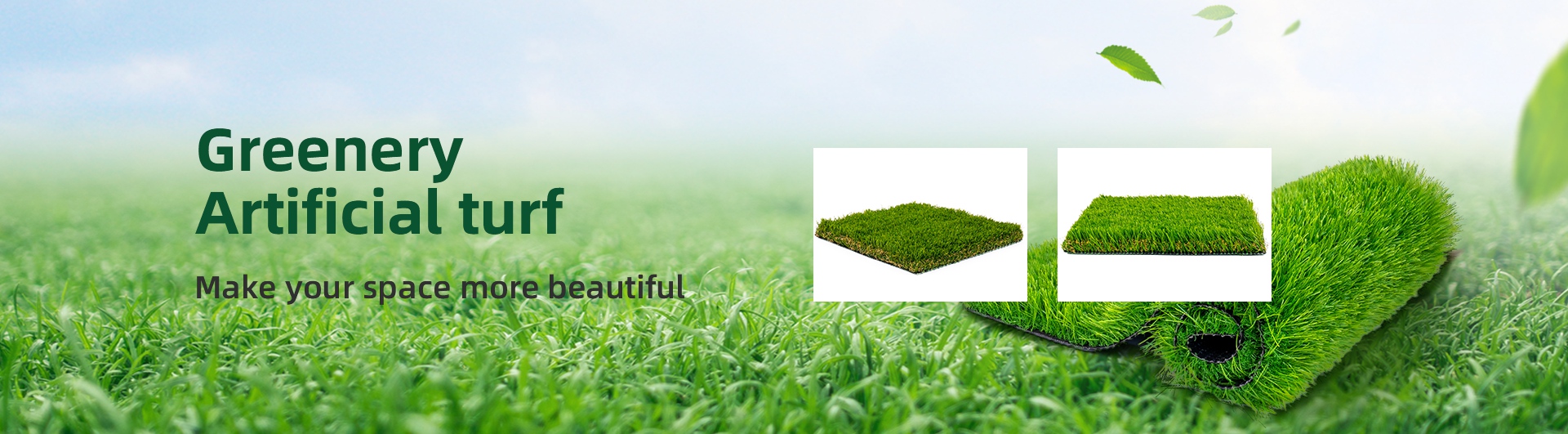
Synthetic grass is a carefully engineered product designed to replicate the look and feel of natural grass while offering greater durability, lower maintenance, and year-round performance. Understanding what synthetic grass is made of can help you make informed choices for landscaping, sports fields, pet areas or commercial applications.
The visible “grass blades” of synthetic turf are made from synthetic polymers, typically including:
Polyethylene (PE) – This is the most common fibre material. It offers a soft texture, good resilience, and a realistic appearance.
Polypropylene (PP) – Often used in less intensive applications or in the thatch/backing support layers. It tends to be more affordable but may not match the softness or durability of polyethylene.
Nylon (Polyamide, PA) – A more heavy-duty material, used in high-traffic or sports applications. It offers strong resilience but can feel stiffer and more costly.
Underneath the blade fibres is the backing layer, which holds the fibres in place, gives structural stability, and often provides drainage. Common backing materials include woven or non-woven fabrics (typically polypropylene) and coatings of latex or polyurethane to bind and protect the structure.
A simplified table summarises the core components:
| Component | Typical Materials | Purpose |
|---|---|---|
| Grass-blade fibers | PE, PP, Nylon | Provide realistic appearance, foot-feel and durability |
| Thatch / support layer | PP, mixed fibres | Adds extra support, realism and structure |
| Primary/backing layer | Woven PP fabric, latex/PU coating | Secure fibre tufts, allow drainage, ensure stability |
| Secondary backing | Additional fabric or coating | Reinforce structure, improve dimensional stability |
Beyond the fibres and backing, many synthetic grass systems include an infill layer and a prepared base. The infill serves multiple roles: it helps the blades stand upright, cushions the surface, adds weight, and assists with drainage.
Common infill materials include:
Silica sand
Recycled rubber granules
Cork or organically based materials (in more eco-conscious systems)
The base layer beneath the turf is properly graded and may include crushed aggregate or a shock pad system for sports applications, which ensures good drainage and long-term stability.
The production of synthetic grass involves several stages, typically as follows:
Extrusion of fibres – Polymers such as polyethylene are melted and extruded into long filaments or fibrillated ribbons.
Tufting or stitching – These fibres are tufted into a primary backing fabric, creating the blade structure.
Application of backing coating – A coating of latex or polyurethane is applied to bind the fibres and provide stability.
Installation of secondary backing – A second layer may be installed to improve strength and durability.
Infill and finishing – After installation, infill is added, trimming and brushing of fibres occurs, and the turf is prepared for use.
The choice of materials in synthetic grass is driven by demands for performance, appearance and durability. Some of the reasons include:
Durability: Synthetic polymers resist wear, foot traffic, and weather better than many natural grasses.
Colour stability and UV resistance: Modern fibres are treated or selected to maintain green colour under sun exposure.
Realistic feel and appearance: High-quality fibres such as polyethylene provide a softer touch and a natural aesthetic.
Low maintenance: Synthetic systems do not require mowing, watering, fertilising or pest control, lowering upkeep.
While synthetic grass offers significant maintenance savings and water conservation benefits, it is important to be aware of environmental and health-related factors.
Some synthetic turf systems use infill materials or backing coatings that contain heavy metals, volatile organic compounds (VOCs) or other additives.
Disposal and recycling of synthetic turf at end of life represent challenges, as many components are non-biodegradable and not always easily recycled.
Surface temperature and micro-climate: Synthetic turf can absorb and retain solar heat differently than natural grass, affecting user comfort.
When selecting a synthetic grass product, consider the manufacturer’s transparency about materials, backing composition, infill materials and recycling policy.
Synthetic grass is utilised in a variety of contexts, including residential lawns, commercial landscapes, rooftop terraces, playgrounds, pet areas and sports fields. The intended application helps determine the choice of material:
For residential use, softer fibres (typically polyethylene) and moderate pile-height may be preferred for comfort and aesthetics.
For sports or heavy-use areas, more resilient materials (nylon or higher density systems) and robust backing systems are often chosen.
Pet-friendly systems may include infill and fibres designed to resist staining and to facilitate cleaning.
Commercial or institutional installations often prioritise durability, drainage and surface performance.
When selecting synthetic grass, it is wise to choose a reputable manufacturer that provides full product specifications, installation support and warranty assurance. For instance, CMGRASS is a manufacturer that emphasises over 15 years of specialised experience in artificial grass, offering high-quality, all-weather and safe turf solutions for varied settings including stadiums, schools, playgrounds and residential landscapes. Their commitment to research & development, design, production and installation under one roof helps ensure a coordinated solution from raw material procurement through to finished surface.
By selecting a provider with such integrated capabilities, you may gain greater assurance of quality control, performance consistency and after-sales support.
Synthetic grass is much more than green plastic blades—it is a complex system combining advanced polymers (polyethylene, polypropylene, nylon), engineered backing materials (woven fabrics, latex or polyurethane coatings), infill and base preparation to deliver a durable, low-maintenance alternative to natural grass. Understanding how the materials function together helps in evaluating performance, lifespan and suitability for your specific project. If you are considering installing synthetic turf, partnering with a manufacturer like CMGRASS that offers full-service capabilities can simplify the process and provide greater confidence in the final outcome.

 Mobile Phone:
 Wechart:
 Contact Now